

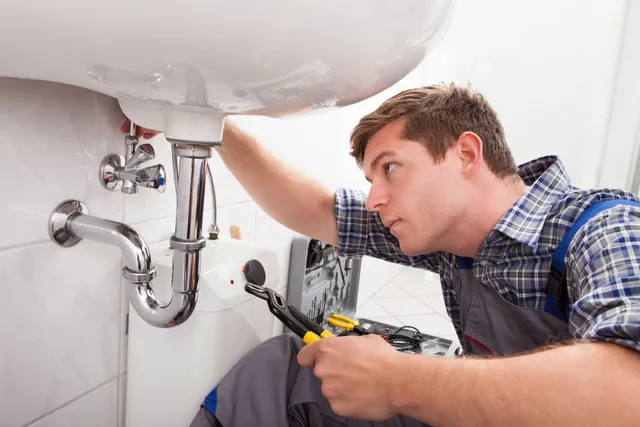
Hard water is an invisible issue that creates highly visible problems throughout a home. While it does not pose a health risk, the high mineral content in hard water can slowly destroy your plumbing system, ruin major appliances, and leave unsightly, stubborn residues on your fixtures. Managing hard water requires a dual approach: removing the existing surface damage and implementing preventative measures to safeguard your plumbing infrastructure over the long term.
Understanding Hard Water and Its Impact
Hard water contains elevated levels of dissolved minerals, primarily calcium and magnesium. As water moves through the ground, it naturally dissolves limestone, chalk, and gypsum, carrying these minerals into the local water supply. When this water enters your home and undergoes temperature changes or evaporates, these minerals precipitate out of the liquid, returning to a solid state known as calcium carbonate or mineral scale.
The consequences of hard water extend far beyond cosmetic annoyance. Understanding how these minerals interact with your home infrastructure is the first step in mitigating the damage.
Surface Damage and Aesthetic Issues
The most obvious indicator of hard water is the chalky white or grayish residue left behind on surfaces. When water evaporates from glass shower doors, porcelain sinks, chrome faucets, and ceramic tiles, it leaves these mineral deposits behind. Over time, these stains harden, trapping oils, soap scum, and dirt, creating a layered crust that resists standard household cleaners.
Internal Plumbing Degradation
While surface stains are frustrating, the hidden damage occurring inside your pipes is significantly more dangerous to your home. Just as minerals accumulate on the outside of a faucet, they build up inside copper, galvanized iron, and PEX piping. This internal accumulation, often called limescale, gradually narrows the diameter of the pipes.
As the interior space decreases, water flow is restricted, causing a noticeable drop in household water pressure. Over several years, severe scale accumulation can completely choke a pipe, necessitating expensive plumbing line replacements.
Reduced Efficiency of Water Heaters
Water heaters bear the brunt of hard water damage. When hard water is heated, the precipitation of calcium and magnesium accelerates rapidly. These minerals settle directly onto the heating elements in electric water heaters or collect as a thick layer of sediment at the bottom of gas water heater tanks.
This sediment acts as an unwanted thermal barrier. The water heater must run longer and hotter to transfer heat through the mineral barrier into the water, dramatically increasing your monthly energy bills. Furthermore, this intense localized heat weakens the steel tank bottom or burns out electric elements prematurely, leading to early tank failure and catastrophic leaks.
How to Safely Remove Hard Water Stains
Getting rid of hard water stains requires chemical breakdown rather than aggressive scrubbing. Because mineral scale is highly alkaline, it reacts to acidic substances, which dissolve the solid bonds and allow the residue to be wiped away safely without scratching delicate fixtures.
Cleaning Sinks, Faucets, and Showerheads
Chrome, stainless steel, and brushed nickel fixtures require gentle treatment to prevent dulling the finish.
-
The Vinegar Soak Method: For removable showerheads and aerators, unscrew the component and submerge it entirely in a bowl of warm, distilled white vinegar for sixty minutes. If the fixture cannot be removed, fill a plastic bag with vinegar, wrap it around the fixture so the mineral crust is completely submerged, and secure it with a rubber band.
-
Wiping and Rinsing: After soaking, use an old toothbrush with soft bristles to scrub away the loosened scale. Rinse the fixture thoroughly with clean water and dry it completely with a microfiber cloth. Eliminating standing moisture prevents new stains from forming immediately.
Restoring Glass Shower Doors and Porcelain
Glass and porcelain can handle slightly longer exposure to acidic cleaners, but abrasive scrubbing pads should still be avoided to prevent micro-scratches.
-
Creating a Spray Solution: Mix equal parts distilled white vinegar and water in a clean spray bottle. For severe buildup, add a tablespoon of fresh lemon juice, which introduces citric acid to accelerate the breakdown process.
-
Application: Spray the solution generously over the glass or porcelain surfaces and allow it to sit for fifteen to twenty minutes. Do not let the solution dry completely on the surface.
-
Scrubbing and Squeegeeing: Wipe the area with a non-scratch scrub sponge. For glass doors, use a professional-grade rubber squeegee to remove the liquid completely, working from top to bottom.
Addressing Toilet Bowl Ring Deposits
The standing water in a toilet bowl creates a constant environment for mineral precipitation, often resulting in a dark red, brown, or white ring along the water line.
-
Lowering the Water Level: Turn off the water supply valve behind the toilet and flush the unit to drain the bowl. This exposes the mineral ring directly to your cleaning agent.
-
Baking Soda and Vinegar Paste: Pour two cups of white vinegar into the bowl, followed by one cup of baking soda. Allow the mixture to fizz for ten minutes. Swish the solution around the bowl with a toilet brush, ensuring the mineral ring is fully coated.
-
Final Scrub: Let the mixture sit for another twenty minutes, then use a stiff-bristled plastic brush to scrub the ring away. Flush the toilet to restore the water level and rinse the bowl.
Structural Strategies to Protect Your Plumbing
Cleaning surface stains fixes past symptoms, but protecting your plumbing infrastructure requires proactive, system-wide solutions that address the mineral content before it enters your home lines.
Whole-House Ion-Exchange Water Softeners
The most effective and scientifically proven method for protecting a plumbing system is an ion-exchange water softener. These systems connect directly to your main water supply line, treating all water before it distributes through the house.
-
How Ion-Exchange Works: The system features a tank filled with negatively charged resin beads. As hard water passes through the tank, the positively charged calcium and magnesium ions naturally bind to the resin beads. In exchange, the beads release a harmless sodium or potassium ion into the water, neutralizing its hardness.
-
Regeneration Cycle: Periodically, the system flushes the resin beads with a concentrated salt brine solution from an adjacent storage tank. This wash strips away the accumulated calcium and magnesium, sending them down a drain line and recharging the resin beads with fresh sodium ions for the next operating cycle.
Salt-Free Water Conditioners
For homeowners looking to avoid salt use or those on strict low-sodium diets, salt-free water conditioners offer an alternative approach.
-
Physical Stabilization: These systems do not actually remove minerals from the water. Instead, they use a process called Template Assisted Crystallization to change the physical structure of the dissolved minerals.
-
Preventing Scale Adhesion: The conditioner transforms dissolved calcium and magnesium into microscopic crystals that are physically incapable of binding to metallic or ceramic surfaces. While the minerals remain in the water, they flow harmlessly through your pipes and down the drain without forming limescale inside your plumbing lines or water heater.
Regular Water Heater Maintenance
Regardless of whether you have a water treatment system, performing routine maintenance on your water heater is critical to extending its lifespan and maintaining its heating efficiency.
-
Annual Tank Flushing: At least once every twelve months, turn off the power supply to your water heater, connect a garden hose to the drain valve at the bottom of the tank, and run the other end of the hose to a safe outdoor drainage area or floor drain. Open the valve and completely drain the tank to flush out accumulated mineral sediment.
-
Anode Rod Inspection: Check the sacrificial anode rod every two years. This rod attracts corrosive elements in the water to protect the steel tank lining. If the rod is degraded or completely covered in white mineral scale, replace it immediately to maintain tank protection.
Frequently Asked Questions
Is hard water safe to drink over a long period of time
Yes, drinking hard water is completely safe for human consumption. The calcium and magnesium minerals present in the water are the same essential nutrients found in daily dietary supplements and food sources. The human digestive tract processes these minerals safely, meaning hard water poses an engineering risk to your home mechanical systems rather than a health risk to your body.
How can I determine the exact hardness level of my home water supply
You can determine your water hardness using an individual home testing kit or by requesting a municipal report. Home kits use chemical test strips that change color when submerged in a water sample, providing a reading in grains per gallon or parts per million. If your home is supplied by city water, you can request the annual water quality report, which lists the average mineral content found during local testing.
Will a standard carbon countertop pitcher filter remove hard water minerals
No, standard carbon pitcher filters or basic refrigerator filters are designed to remove taste and odor contaminants, such as chlorine, organic compounds, and certain heavy metals. They do not possess the chemical capacity or mechanical structure required to filter out dissolved calcium and magnesium ions. Only dedicated ion-exchange systems or specialized reverse osmosis units can successfully reduce mineral hardness.
Can hard water cause damage to modern PEX plumbing pipes
PEX piping is highly resistant to chemical corrosion and does not rust like old galvanized iron pipes, but it is still vulnerable to hard water scale. Limescale can still attach to the interior walls of plastic PEX lines, especially around brass connection fittings, valves, and sharp elbows. Over time, this accumulation will restrict water flow and drop water pressure exactly as it does in copper piping.
Why does soap feel difficult to rinse off in homes with soft water
When hard water minerals are eliminated, soap reacts normally with water to create a rich, slick lather. Hard water prevents soap from lathering correctly, forming an insoluble scum that sticks to your skin. When you switch to soft water, the slippery sensation you experience during rinsing is actually the natural oils of your skin feeling clean, free from the abrasive mineral residue that hard water leaves behind.
How long does a professional whole-house water softener typically last
A high-quality, properly maintained whole-house water softener generally lasts between ten and fifteen years. The primary factor influencing its longevity is the quality of the resin beads inside the tank, which eventually degrade over a decade of constant chemical regeneration cycles. Keeping the brine tank clean, using high-purity salt, and protecting the unit from freezing temperatures will maximize its operational lifespan.
Does hard water affect the operation and lifespan of clothing washing machines
Yes, hard water shortens the lifespan of washing machines by causing mineral buildup on internal heating elements, water inlet valves, and mechanical pump seals. This scale causes the internal components to work harder, leading to mechanical strain and early part failure. Additionally, the minerals react with laundry detergents, reducing their cleaning efficiency and leaving clothes feeling stiff, looking dull, or wearing out faster.