

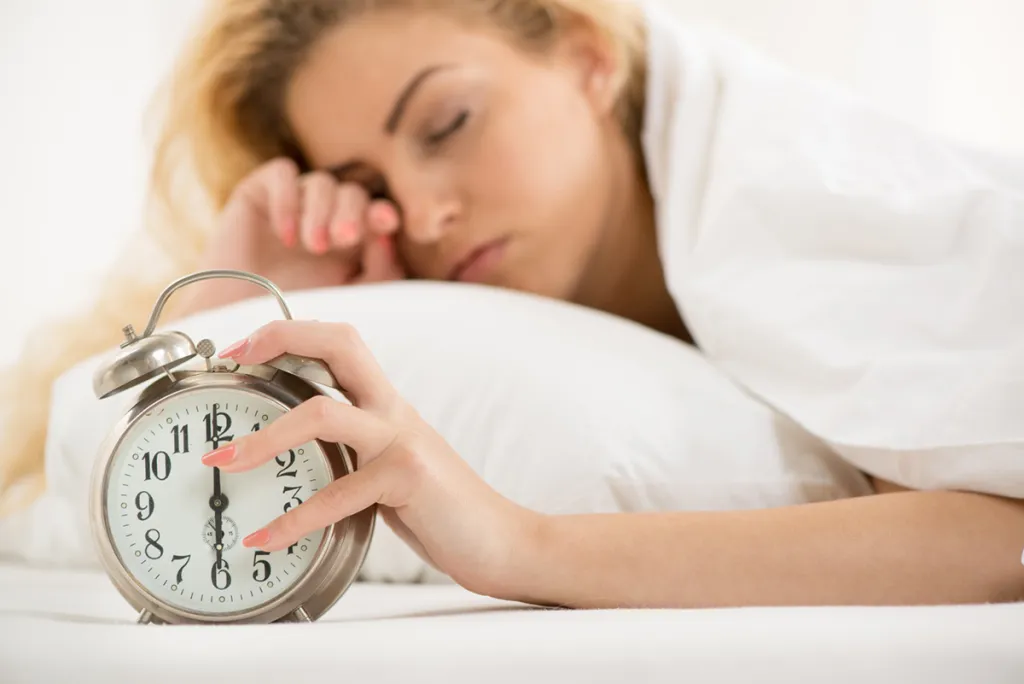
Modern life is largely at odds with human biology. We spend our days under dim office lights, our evenings staring at luminous screens, and our nights trying to force sleep in environments that mimic eternal daytime. This disconnect disrupts our circadian rhythm, the internal biological clock that dictates when we feel awake, when we feel tired, and how our bodies function on a cellular level.
Optimizing your circadian rhythm is not just about avoiding morning grogginess. It is a foundational pillar of physical health, cognitive performance, and emotional resilience. When your internal clock aligns with the natural environment, high-quality sleep follows effortlessly.
Understanding Your Internal Biological Clock
Your circadian rhythm is a 24-hour internal cycle managed by a master clock in the brain known as the suprachiasmatic nucleus, located in the hypothalamus. This master clock regulates a vast array of physiological processes, including body temperature, hormone production, immune function, and metabolism.
The primary environmental cue that calibrates this clock is light. When light enters the eye, it stimulates specialized photoreceptors that signal the master clock to suppress melatonin, the hormone responsible for sleepiness, and increase cortisol, a hormone that promotes alertness. In the absence of light, the opposite occurs, preparing the body for rest and cellular repair.
When your routine conflicts with this natural cycle, you experience a state known as circadian mismatch. This condition is responsible for the sluggishness of jet lag, the chronic fatigue associated with shift work, and the general insomnia plaguing the modern workforce. Over time, a misaligned circadian rhythm increases the risk of chronic health conditions, including metabolic syndrome, cardiovascular disease, and mood disorders.
The Critical Role of Morning Light Exposure
The process of securing a good night of sleep begins the moment you wake up. Morning light exposure is the single most powerful tool for anchoring your circadian rhythm.
When you expose your eyes to bright sunlight early in the day, you send a powerful clearance signal to your brain. This stops the production of residual melatonin and starts a biological countdown timer. The timing of your morning light exposure directly dictates when your body will naturally begin to feel tired later that evening, roughly 14 to 16 hours later.
How to Implement Morning Light Timing
-
View natural sunlight early: Aim to step outside within 30 to 60 minutes of waking. Looking through a window is significantly less effective because modern window glass filters out the specific blue-green wavelengths of light required to stimulate your master clock.
-
Adjust for weather conditions: On a clear, sunny day, 5 to 10 minutes of direct outdoor light exposure is sufficient. On an overcast or cloudy day, the light intensity is lower, so you should spend 20 to 30 minutes outdoors to achieve the same biological effect.
-
Avoid sunglasses during this window: To maximize the light entering your eyes, skip the sunglasses during your morning outdoor time. Never look directly at the sun, but allow the ambient environmental light to flood your visual field.
Managing Daytime Routines for Circadian Alignment
While light is the primary driver of your internal clock, secondary cues called zeitgebers also play a massive role. These include the timing of your meals, your physical activity, and your consumption of stimulants.
Strategic Caffeine Utilization
Caffeine blocks adenosine receptors in the brain. Adenosine is a chemical that builds up naturally during your waking hours, creating what scientists call sleep pressure. By blocking these receptors, caffeine masks fatigue but does not eliminate the need for sleep.
To optimize your circadian rhythm, delay your first cup of coffee by 90 to 120 minutes after waking. This allows your natural cortisol levels to peak and clear out residual adenosine, preventing a mid-afternoon energy crash. Furthermore, establish a strict caffeine curfew. Cut off all caffeine intake at least 8 to 10 hours before your intended bedtime, as the half-life of caffeine can keep it circulating in your system long after your last sip.
Meal Timing and Peripheral Clocks
Your brain holds the master clock, but your organs, such as your liver, stomach, and pancreas, possess peripheral circadian clocks. These peripheral clocks are highly sensitive to food intake. Eating at irregular times or late at night confuses these systems, leading to poor digestion and disrupted sleep.
Aim to eat your meals within a consistent daily window and avoid heavy food consumption within three hours of bedtime. When you digest a large meal late at night, your core body temperature rises, directly conflicting with the natural temperature drop required for deep sleep stages.
Midday Movement
Physical activity acts as another strong wakefulness signal. Engaging in exercise during the morning or afternoon reinforces your circadian peak of alertness. Avoid high-intensity workouts late in the evening, as the resulting spike in adrenaline and body temperature can delay sleep onset.
Crafting a Circadian-Friendly Evening Environment
As the sun sets, your environment should mimic the natural progression of twilight. The modern practice of illuminating homes with bright overhead lighting after dark tricks the brain into believing it is still midday, severely delaying the release of melatonin.
The Evening Light Phase-Down
Two to three hours before bed, shift your indoor lighting. Turn off bright overhead lights and rely on low-level lamps. If possible, utilize bulbs that emit warm, amber, or red wavelengths, which are far less disruptive to melatonin production than the cool, blue-spectrum light emitted by standard LEDs and fluorescent bulbs.
Screen Mitigation Strategies
Digital screens on smartphones, tablets, and televisions emit concentrated blue light. If you must use devices in the evening, lower the brightness, activate the built-in night shift modes, or wear high-quality blue-blocking glasses that filter out wavelengths below 500 nanometers. The ideal scenario, however, is to disconnect from all digital screens 60 minutes before attempting to sleep.
Cultivating a Thermal Drop
Your body temperature must drop by approximately two degrees Fahrenheit to initiate and maintain deep sleep. You can facilitate this process by keeping your bedroom cool, ideally between 60 and 67 degrees Fahrenheit. Taking a warm bath or shower 90 minutes before bed also helps; it draws blood flow to the surface of your skin, allowing your core temperature to plummet rapidly once you exit the water.
Designing a Restorative Bedroom Space
Maintaining Consistency Across the Week
The final and most challenging aspect of circadian optimization is consistency. Your internal clock cannot reset itself instantly based on your social calendar.
Many people practice excellent sleep hygiene during the workweek but stay up late and sleep in late on weekends. This phenomenon is known as social jet lag. Shifting your sleep schedule by just two hours on the weekend inflicts the same biological stress on your body as flying across two time zones every Friday night and flying back every Monday morning.
To fix this, keep your wake-up time consistent within a 30-minute window every day of the week. If you have a late night, resist the urge to sleep in excessively. Instead, wake up near your usual time, get your morning sunlight, and compensate for the lost sleep with a short 20-minute nap in the early afternoon. This preserves the integrity of your master clock while allowing your body to recover.
Frequently Asked Questions
Can I use blue-blocking glasses all day to protect my sleep?
No, you should not wear blue-blocking glasses during the morning and afternoon. Your body requires blue light during the daytime to signal alertness, elevate mood, and properly anchor your circadian rhythm. Blocking blue light during the day can cause daytime sluggishness and weaken your internal clock strength. Only use blue-blocking filters or glasses in the evening hours after sunset.
How does alcohol affect the circadian rhythm?
While alcohol is a sedative that may help you fall asleep faster, it drastically disrupts your circadian rhythm and sleep architecture. Alcohol fragments your sleep, particularly during the second half of the night, and suppresses Rapid Eye Movement sleep. It also raises your resting heart rate and elevates core body temperature, preventing your body from entering the deep, restorative phases of recovery.
Is it possible to permanently alter your natural chronotype from a night owl to an early bird?
Your chronotype is partially determined by genetics, meaning some individuals naturally lean toward later or earlier schedules. However, you can significantly shift your circadian phase within your genetic boundaries. By strictly controlling your light exposure, maximizing morning sunlight, minimizing evening artificial light, and keeping fixed meal times, a natural night owl can comfortably shift their schedule to wake up earlier without feeling fatigued.
How long does it take to reset a disrupted circadian rhythm?
The time required to reset your internal clock depends on how severely it is misaligned, but most individuals notice significant improvements within three to seven days of strict adherence to light and behavioral protocols. For severe shifts, such as overcoming international jet lag or transitioning off shift work, the general rule of thumb is that the body adapts at a rate of roughly one hour of time-shift per day.
Does seasonal variation change how I should manage my circadian rhythm?
Yes, seasonal changes alter the availability of natural light, which requires behavioral adjustments. During winter months when mornings are dark, you can use a high-lux seasonal affective disorder light therapy box for 20 minutes upon waking to mimic morning sunlight. In the summer when the sun stays up late, you must be much more vigilant about using blackout curtains and dimming indoor lights early to ensure your body gets the signal that night has arrived.
Can a regular exercise routine fix a poor sleep schedule on its own?
While regular exercise is highly beneficial for deepening sleep quality and increasing sleep drive, it cannot override a misaligned circadian rhythm on its own. If you exercise intensely but continue to expose yourself to bright blue screens late at night or maintain erratic wake-up times, your master biological clock will remain disrupted. Physical activity must be paired with strategic light management for total optimization.
Should I take melatonin supplements to keep my rhythm on track?
Melatonin supplements can be highly effective for specific, short-term situations such as shifting time zones during travel or adjusting to a new shift-work schedule. However, they should not be used as a permanent crutch for poor sleep habits. Behavioral changes like morning light exposure and evening light reduction allow your body to produce its own endogenous melatonin naturally, which is far more effective for long-term health and sustainable sleep cycles.